
Feedback. Bias. Stereotypes. Learning styles. Skill transfer. UDL. One series, one visual language, six videos trainers reuse everywhere.
Industry
Higher Education
Deliverables
6 training videos
Style
2D scenario-based
Timeline
14 weeks
Script & Story
✓
Storyboarding
✓
2D Animation
✓
Voice & Sound
✓
We produced six standalone animated videos, with each one focused on a single concept. Instead of starting with definitions, we built the scripts around situations instructors would recognize. They see the problem happen first, then we introduce the idea behind it.
Animation was the right choice because it let us deal with sensitive topics like bias without putting a real person in the role of the “bad guy.” It also gave us more freedom to show thoughts, compare different teaching approaches, and explain abstract ideas visually.
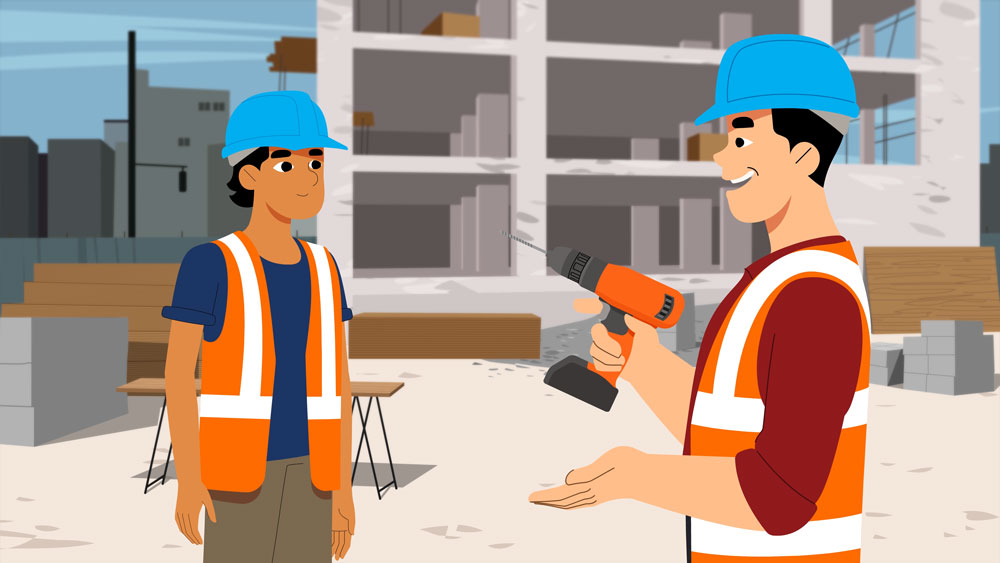
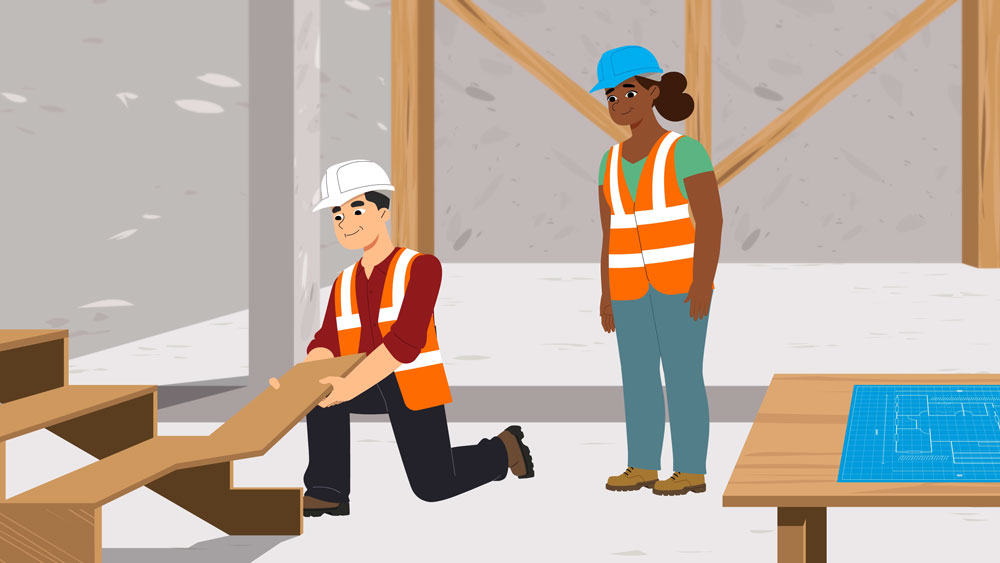
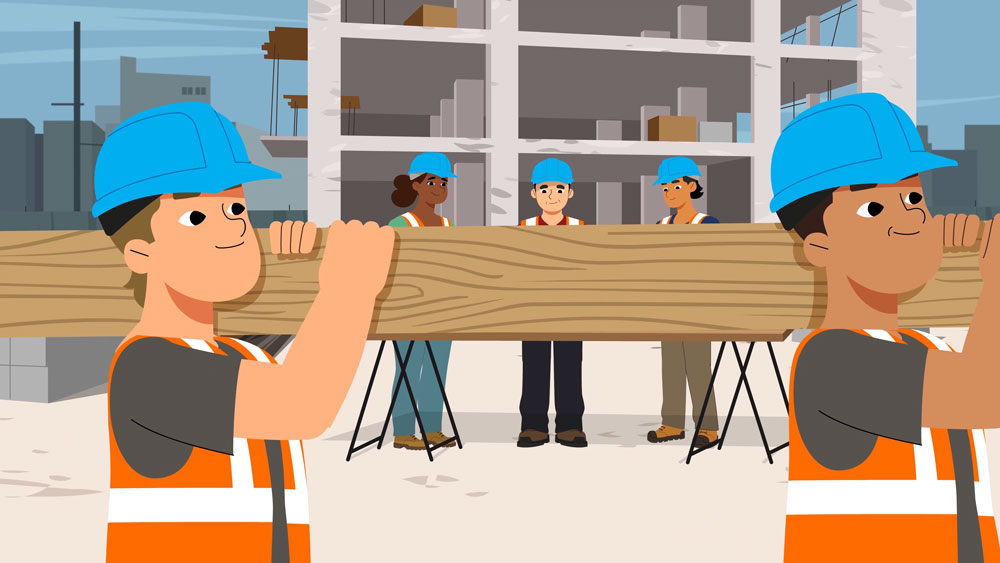
To keep the series consistent and cost-effective, we created one cast of characters, a shared set of environments, and a visual style based on UBC Canada District’s brand. That gave all six videos the feel of one complete training program.
We start from a situation instructors recognize, not from the learning objective. If nobody nods in the first fifteen seconds, the rest of the video is already lost.
Every script is read aloud before it is approved. Training copy that scans fine on a page often collapses the moment a voice has to carry it.
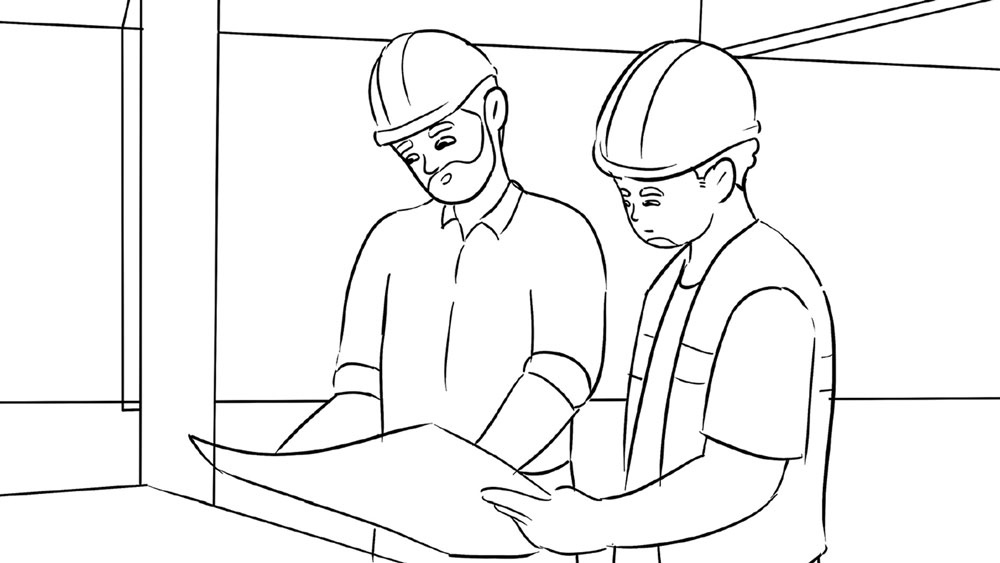
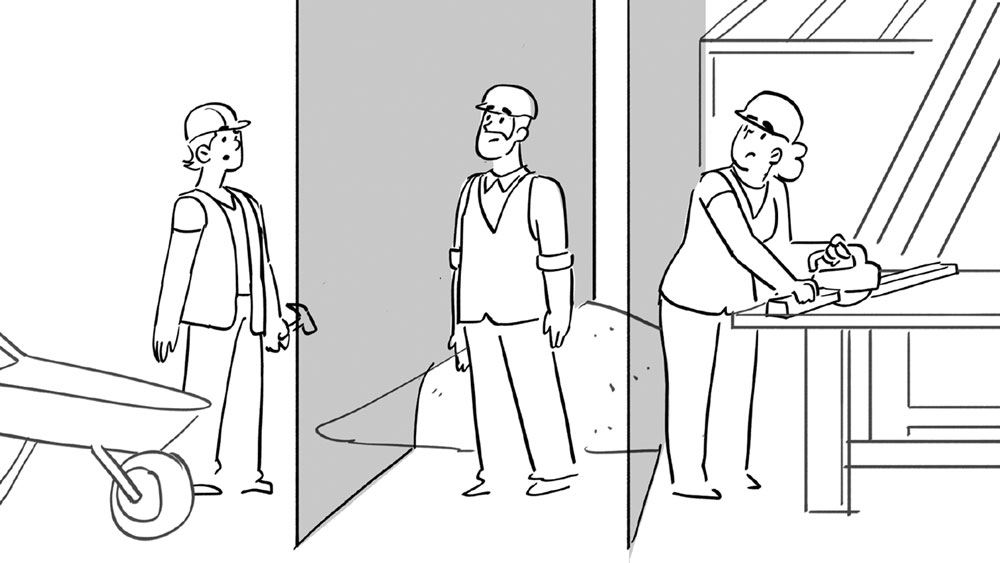
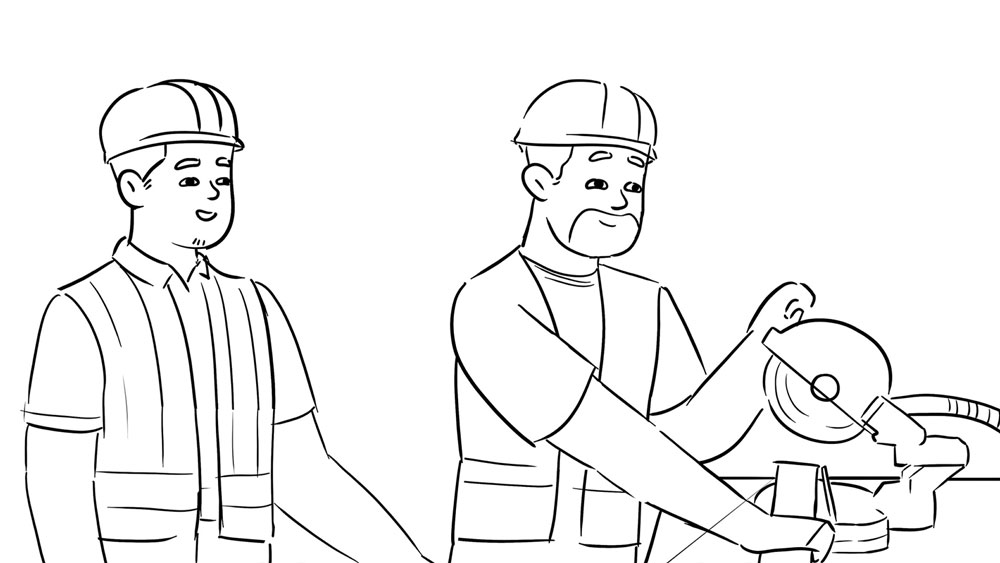
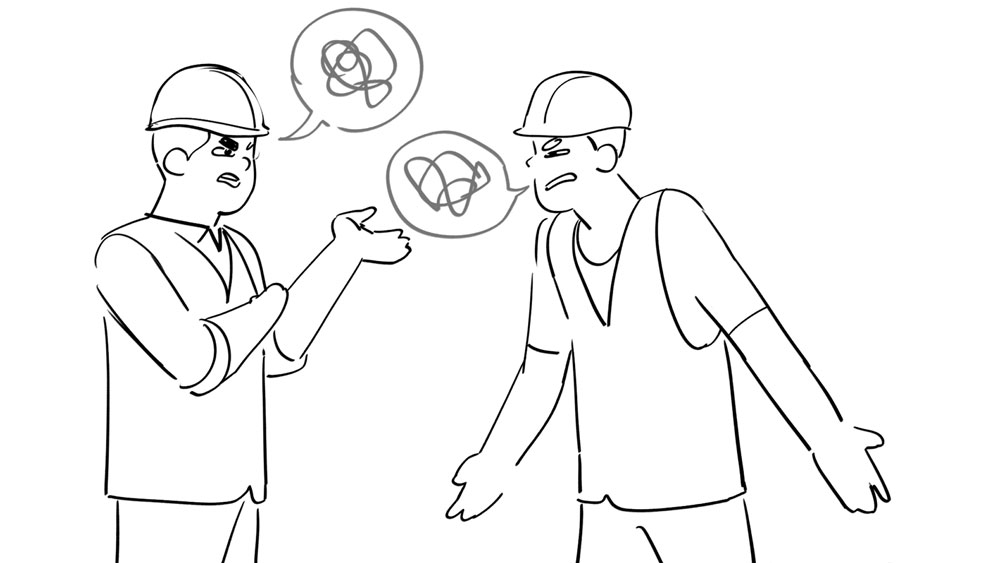
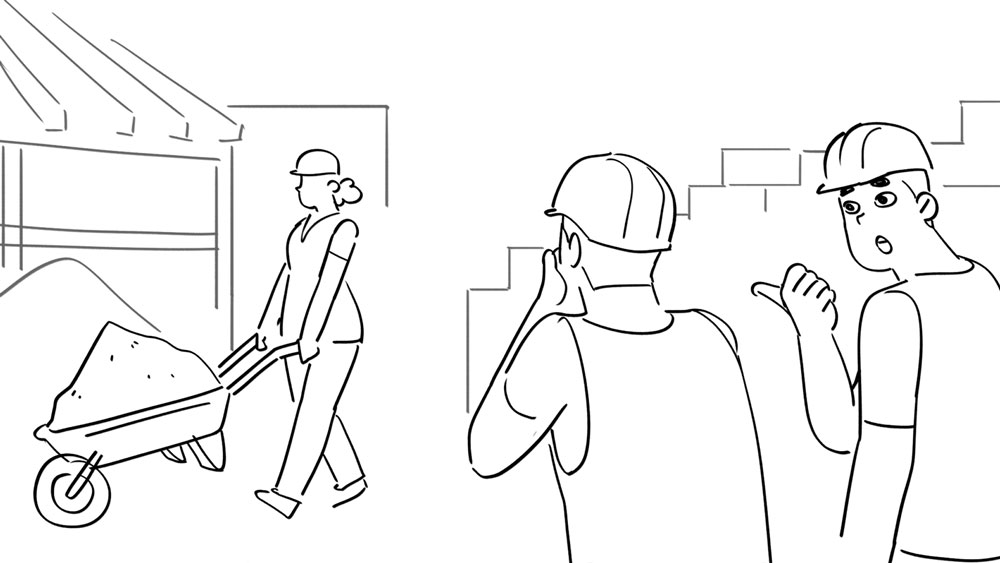
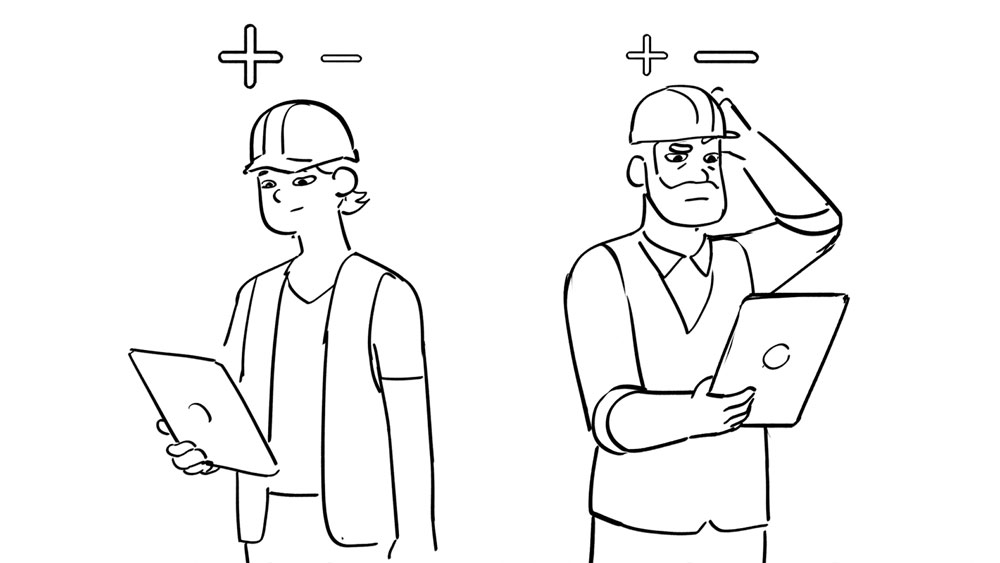
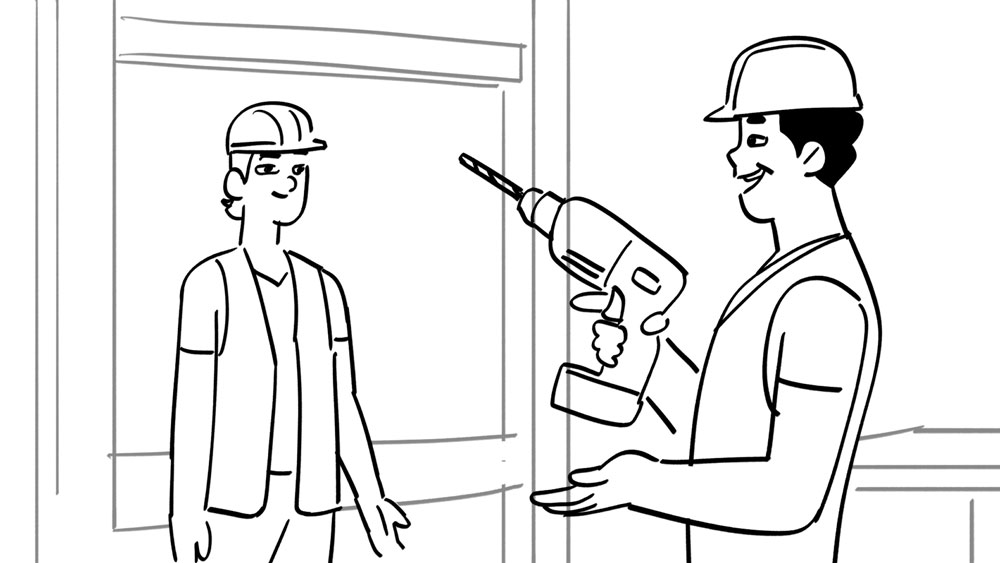
Every scene is boarded and signed off before animation begins. Changing a drawing costs minutes. Changing a finished animated scene costs days.
Characters and environments are designed once for all six. That is what makes episode six affordable and what makes the set feel like one course.
Every scene was drawn and approved before a single frame was animated. Storyboarding is the cheapest possible place to discover that an analogy does not land.
A single character set and environment library carries all six videos, so the series reads as one program rather than six unrelated films.
A single character set and environment library carries all six videos, so the series reads as one program rather than six unrelated films. Here are 15 second version of the final videos we produced.
Giving feedback that gets heard — the SBII model in a real conversation.
Recognizing bias in the moment it happens, not in the abstract.
The stories we assume about people — told as a story, not a lecture.
Why one-size-fits-all training fails — and what to do instead.
Getting skills from the training room to the job — the transfer model, animated.
Universal Design for Learning, made practical for the people running sessions.